download (1)-Picsart-AiImageEnhancer

Brand Monitoring & Reputation Management: Protecting Your Business in the Digital Age

In today’s hyper-connected digital world, your brand’s reputation is one of your most valuable assets. Customers no longer rely only on advertisements or word of mouth — they read reviews, browse social media, and check online feedback before making any decision. That’s where brand monitoring and reputation management come in. Together, they help businesses track what people are saying about them online, respond effectively, and maintain a positive image that builds trust and credibility.

What is Brand Monitoring?

Brand monitoring is the process of tracking mentions of your brand, products, or services across digital platforms like social media, blogs, news sites, and forums. It allows you to stay aware of public sentiment and quickly identify both positive and negative conversations. By monitoring your brand, you can understand how customers perceive you and take proactive steps to strengthen your online presence.

For example, if a customer shares a negative experience on Twitter or a review site, brand monitoring tools can alert you instantly. This gives you a chance to respond quickly, resolve the issue, and show others that your business truly cares about its customers.

What is Reputation Management?

Reputation management goes hand in hand with brand monitoring. It focuses on shaping and maintaining your brand’s public image. This includes responding to feedback, addressing complaints, encouraging positive reviews, and managing crises if they arise. A strong reputation management strategy helps you control the narrative around your brand and build long-term customer loyalty.

Why It Matters

Your online reputation directly impacts your business success. Studies show that most consumers trust online reviews as much as personal recommendations. A few negative comments left unchecked can harm your credibility, while positive interactions can attract new customers and strengthen your brand image.

With social media playing such a big role in shaping opinions, brand monitoring and reputation management have become essential for every business — big or small. By being active, transparent, and responsive, you can turn potential issues into opportunities for growth.

Key Benefits of Brand Monitoring & Reputation Management

  • Customer Trust: Responding to feedback shows customers that their opinions matter.
  • Crisis Prevention: Catching negative comments early helps you resolve problems before they escalate.
  • Improved Brand Image: Regular engagement and positive interactions boost brand perception.
  • Better Marketing Insights: Feedback from real users helps improve your products and strategies.
  • Increased Sales: A trustworthy reputation naturally attracts more customers and repeat business.

How to Build a Strong Reputation Management Strategy

  1. Monitor Regularly: Use tools like Google Alerts, Hootsuite, or Mention to track your brand mentions.
  2. Respond Quickly and Professionally: Address both praise and criticism with empathy and respect.
  3. Encourage Positive Reviews: Ask happy customers to share their experiences online.
  4. Be Transparent: If mistakes happen, own them and communicate openly with your audience.
  5. Stay Consistent: Build a brand voice and message that reflects your values across all platforms.

Final Thought

Brand monitoring and reputation management aren’t optional anymore — they’re essential for survival and growth in the digital era. A single post can influence thousands of people, so being aware and proactive is key. Protecting your reputation means protecting your business. When you listen, engage, and act responsibly, your brand becomes stronger, more trusted, and ready to thrive in any digital environment.

images (1)-Picsart-AiImageEnhancer

Video Marketing: The Most Powerful Tool for Modern Brands

In today’s digital landscape, video marketing has become one of the most effective and engaging ways for businesses to connect with their audience. With millions of people consuming video content daily on platforms like YouTube, Instagram, TikTok, and Facebook, video has turned into the heartbeat of modern marketing. It captures attention quickly, tells stories more effectively, and helps brands build stronger emotional connections with their customers.

Video marketing is all about using videos to promote your brand, product, or service. These videos can take many forms — explainer videos, product demos, customer testimonials, tutorials, live streams, or short social media clips. The key is to deliver content that’s engaging, informative, and authentic. A well-crafted video can communicate your message faster and more memorably than text or images ever could.

One of the greatest strengths of video marketing is emotional impact. People connect with visuals and stories. Through music, voice, and imagery, videos can inspire, entertain, or move audiences to take action. This makes it an ideal medium for building brand trust and encouraging conversions.

Another major advantage is higher engagement. Social media algorithms favor video content, meaning your posts are more likely to reach a wider audience. Studies show that videos get more likes, shares, and comments than any other type of content. This organic reach helps increase your brand visibility without heavy spending on ads.

Video boosts conversions too. Landing pages with videos tend to convert visitors into customers at a much higher rate. Product videos help potential buyers understand features, benefits, and real-world use, leading to more confident purchasing decisions. For service-based businesses, a short video showcasing your team, process, or client success stories can build credibility and trust.

With the rise of mobile usage, short-form videos have become even more powerful. Platforms like TikTok, Instagram Reels, and YouTube Shorts make it easy for brands to reach younger, fast-paced audiences who prefer quick, bite-sized content. At the same time, long-form videos like webinars or tutorials work perfectly for educational and B2B marketing.

Analytics also play a big role in video marketing. Businesses can track viewer engagement, watch time, and click-through rates to understand what resonates most with their audience. This data-driven approach allows marketers to refine their content strategy and achieve better results over time.

Final Thought:
Video marketing isn’t just a trend — it’s the future of digital communication. In a world overflowing with information, videos cut through the noise and deliver your message in the most powerful way possible. Whether you want to increase brand awareness, boost sales, or build a loyal community, video marketing is your ultimate tool for success.

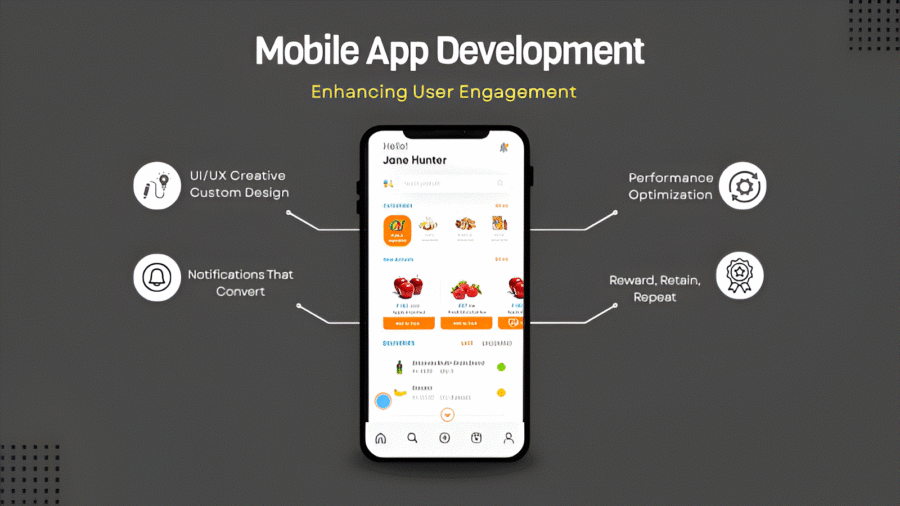
Blog-Banner-Mobile-App-development-Picsart-AiImageEnhancer

Mobile App Development: Transforming Ideas into Digital Experiences

In today’s fast-moving digital world, mobile apps have become an essential part of our daily lives. From online shopping and food delivery to fitness tracking and social networking, mobile applications make everything faster, easier, and more accessible. For businesses, mobile app development isn’t just a trend — it’s a powerful way to connect directly with customers, build loyalty, and stay ahead of the competition.

Mobile app development is the process of creating software applications that run on smartphones and tablets. It combines creativity, design, and technology to deliver seamless user experiences. Whether it’s an Android app, an iOS app, or a cross-platform solution, the goal is to create an application that’s fast, functional, and user-friendly.

One of the biggest benefits of having a mobile app for your business is customer engagement. Apps allow you to stay connected with your users 24/7 through push notifications, personalized offers, and updates. This constant interaction not only improves customer satisfaction but also increases brand visibility and loyalty.

Another key advantage is convenience. A mobile app gives users instant access to your services without the need to visit a website or make phone calls. With just a few taps, they can browse products, make payments, or contact support. This ease of use enhances the overall customer experience, which leads to higher conversion rates and repeat business.

Mobile apps also provide valuable data insights. You can track user behavior, preferences, and engagement patterns to make informed business decisions. This data-driven approach helps improve your marketing strategies, enhance app performance, and offer personalized experiences that your customers love.

For businesses looking to scale, mobile app development is a long-term investment. With the growing number of smartphone users worldwide, having a mobile presence is no longer optional — it’s necessary. A well-designed app not only strengthens your digital presence but also gives you a competitive edge in the market.

Whether you’re a startup or an established brand, a custom mobile app can transform your business. By combining innovative design, smooth functionality, and powerful features, you can create a product that stands out and delivers real value to users.

Final Thought: Mobile app development is more than just coding — it’s about creating digital experiences that make life easier and businesses stronger. In a world driven by mobile technology, investing in a high-quality app is the key to unlocking growth, engagement, and success.

medium-shot-men-holding-smartphone (1)

Social Media Marketing: The Power Behind Modern Brand Growth

In today’s digital age, social media marketing has become one of the most effective ways for businesses to connect with their audience, build brand awareness, and drive sales. Platforms like Facebook, Instagram, TikTok, LinkedIn, and X (formerly Twitter) give brands a direct line of communication with millions of users around the world. Whether you’re a small business or a large company, social media marketing can help you reach your goals faster and more efficiently than traditional marketing ever could.

Social media marketing is not just about posting pictures or videos — it’s about creating meaningful connections. It involves sharing valuable content, engaging with followers, running targeted ad campaigns, and analyzing results to continually improve performance. With the right strategy, you can attract your ideal customers, keep them engaged, and turn them into loyal supporters of your brand.

One of the biggest advantages of social media marketing is its cost-effectiveness. Compared to TV or print advertising, social media platforms allow you to reach a large audience at a much lower cost — and with better targeting options. You can choose who sees your content based on age, interests, location, and even online behavior, ensuring your marketing budget is spent wisely.

Social media also helps humanize your brand. By sharing behind-the-scenes stories, customer testimonials, and interactive content, you can build trust and authenticity. People love to connect with brands that feel real and relatable, and social media provides the perfect platform for that.

Consistency is key. Regular posting, timely responses, and engaging visuals help you stay top-of-mind with your audience. Combine that with data-driven insights — such as tracking engagement rates and click-throughs — and you’ll have a powerful tool for understanding what your customers love and how to serve them better.

In short, social media marketing is no longer optional — it’s essential. It’s the heartbeat of modern marketing, helping businesses of all sizes grow faster, connect deeper, and compete smarter in the digital world.

Final Thought: Social media marketing is not just about likes and followers; it’s about building relationships, telling your story, and turning attention into action. If done right, it can transform your online presence and take your business to new heights.

Service_img-1.jpeg

Graphic Design: The Art of Visual Communication

Graphic Design: The Art of Visual Communication

In the fast-paced digital world, graphic design has become one of the most powerful tools for communication and branding. It’s not just about making things look pretty — it’s about conveying messages, emotions, and ideas through visuals. Every color, shape, and font used in a design carries meaning and helps shape how people perceive your brand.

A well-designed logo, for example, can instantly tell customers what your brand stands for. The right color palette can evoke emotions like trust, excitement, or luxury. Similarly, creative social media graphics can make your content more engaging and shareable, helping you connect with a wider audience.

Graphic design is also essential for building brand identity. From your website and packaging to your marketing materials, consistent design helps create a professional and memorable image. It ensures that your business looks polished and trustworthy, no matter where customers find you online or offline.

Moreover, good design improves communication. Complex information can be simplified through infographics, visuals, and layouts that make content easier to understand. In a world full of distractions, clear and attractive design helps your message stand out and get noticed.

Whether you’re a startup or an established business, investing in professional graphic design can make a huge difference. It strengthens your brand, enhances your marketing efforts, and leaves a lasting impact on your audience.

In short: Graphic design isn’t just decoration — it’s a strategic way to connect, communicate, and convert. A strong design speaks louder than words and helps your brand shine in the digital crowd.

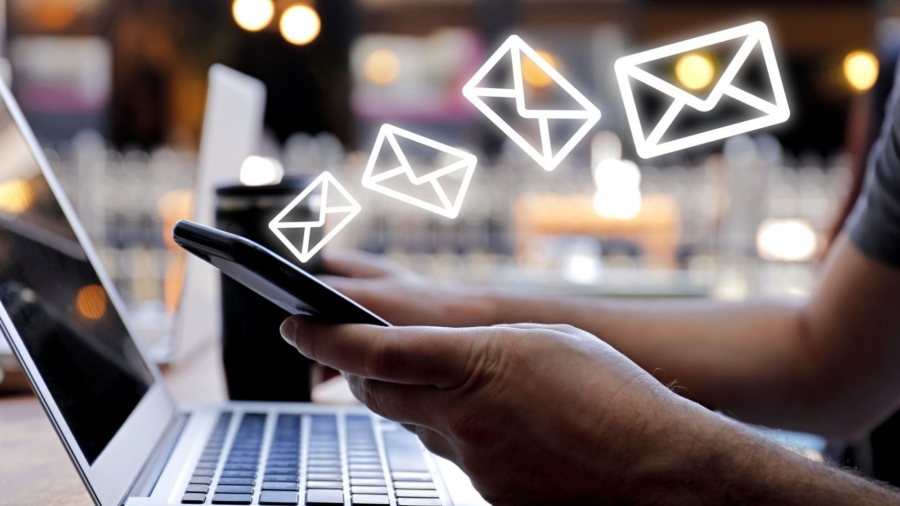
email-marketing

The Power of Email Marketing: Grow Your Business Smarter 🚀

In today’s digital world, where social media comes and goes, email marketing remains one of the most reliable and powerful tools for building genuine customer relationships. Whether you’re a small business or a big brand, email marketing helps you connect, engage, and convert like never before.

Why Email Marketing Still Works

Unlike other marketing channels, email gives you direct access to your audience. No algorithms, no distractions — just your message delivered straight to their inbox. Studies show that for every $1 spent on email marketing, businesses earn an average of $42 in return. That’s unbeatable ROI!

Benefits of Email Marketing

  • Personalized Communication: Send the right message to the right person at the right time.
  • High Engagement: Well-crafted emails get noticed — and acted upon.
  • Boost Sales: Promote your latest offers, products, or services directly to your customers.
  • Build Loyalty: Consistent and value-driven emails keep your audience coming back.

How Our Agency Can Help

At [Your Agency Name], we craft data-driven, high-performing email campaigns that speak directly to your audience. From strategy and design to automation and analytics, we handle everything — so you can focus on running your business.

Whether you’re launching a new product, nurturing leads, or reactivating old customers, we’ll help you turn emails into revenue.

Let’s Build Your Next Successful Campaign!

Don’t let your message get lost in the crowd. Partner with and start seeing real results from your email marketing today.